Industry Basics
Why Recycled-Pallet Mulch Holds Color Longer (and What "Dry Wood" Has to Do with It)
If you've ever refreshed your mulch in the spring only to find the color fading by mid-summer, you're not alone. For many homeowners and landscape managers, mulch discoloration is one of the most common and frustrating issues.
What many people don't realize is that mulch color longevity has a lot to do with the type of wood used before color is ever added. At J.C. Pallet Company, our mulch starts somewhere very different than traditional landscape mulch — and that difference matters.
The Problem With "Green" Wood Mulch
Most mulch on the market is made from freshly cut trees or land-clearing debris. This material is often referred to as "green" wood, meaning it still contains a high level of natural moisture.
When dye is applied to green or wet wood:
- The moisture prevents the color from fully absorbing
- Dye tends to sit on the surface rather than penetrate the wood fiber
- Color fades faster when exposed to sun and rain
The result? Lower-quality mulch that typically needs to be refreshed every season.
Why Dry Wood Makes a Difference
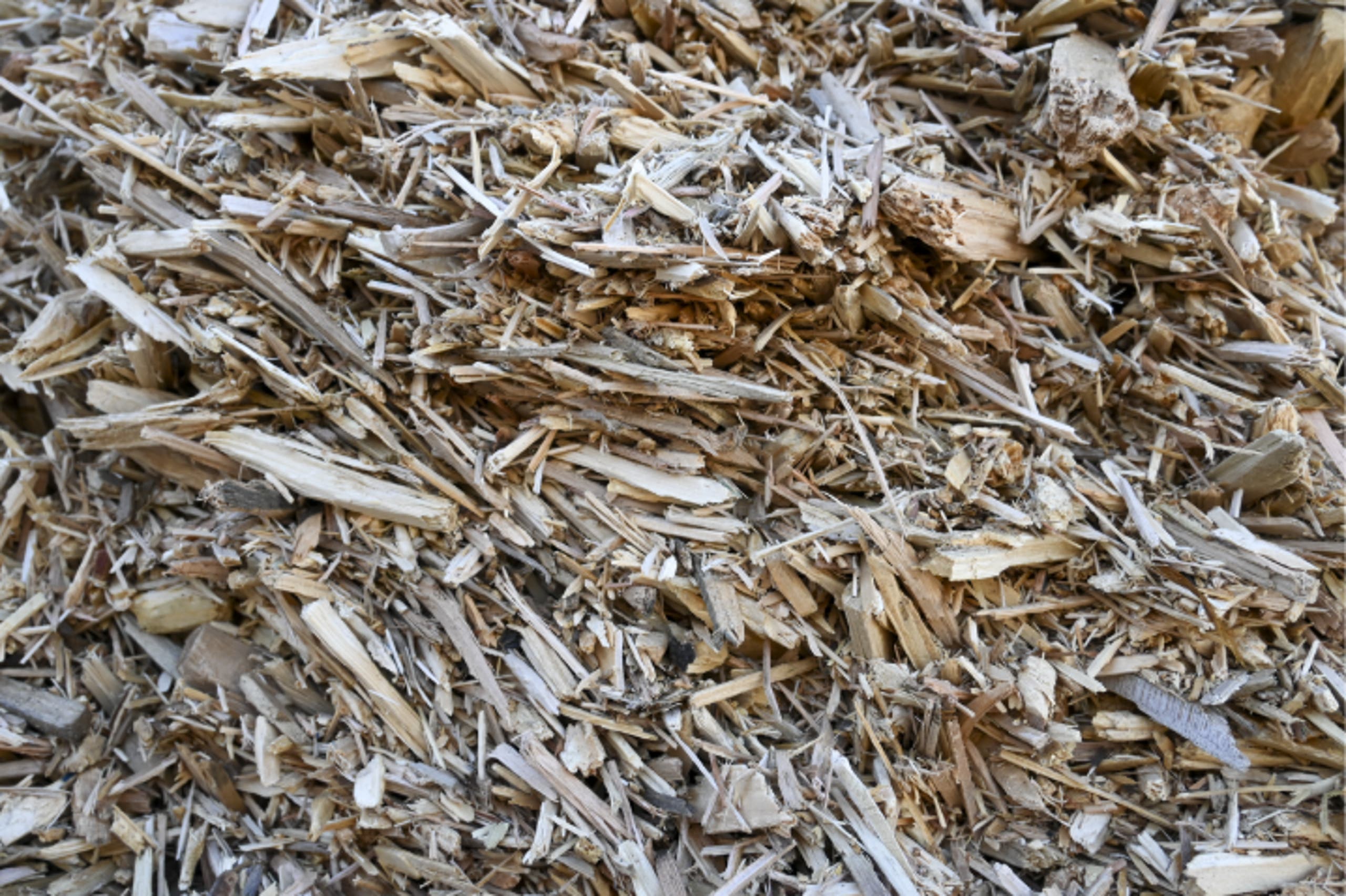
J.C. Pallet's mulch is made from used pallets and pallet wood, not freshly cut trees. Because these pallets have already been in service, the wood is naturally dry before it ever enters the mulch process.
According to Holly Miller-Bopp, President of J.C. Pallet Company:
"All of our mulch is from used pallets / pallet wood. So, the material is dry unlike other mulch companies that grind 'green/wet' wood like trees. With our material being dry, the dye/color we use adheres to the wood and lasts much longer."
Dry wood allows colorant to:
- Absorb more evenly
- Penetrate deeper into the wood fiber
- Resist fading from weather and UV exposure
Simply put, dry wood holds color better because it can actually absorb it.
A Controlled Process — Not Just Better Starting Material
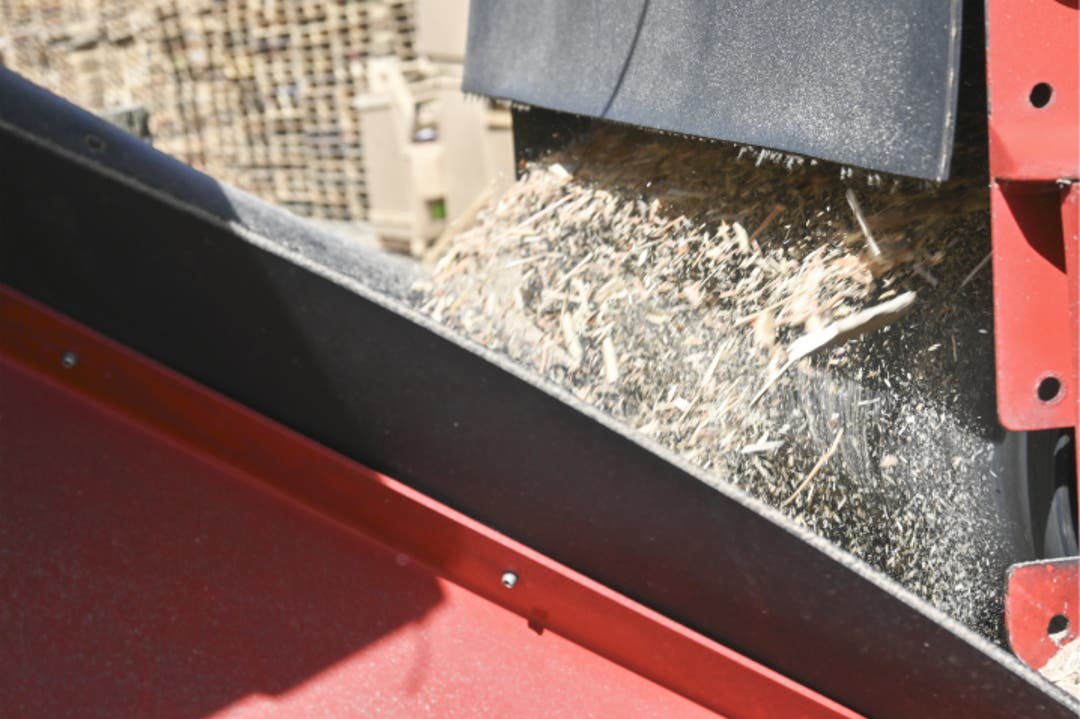
Starting with dry pallet wood is only part of the equation. J.C. Pallet also controls the mulch process to support color performance:
- Wood is processed from 100% recycled pallets
- Color is applied after the wood is already dry
- Mulch is allowed time to dry after coloring before distribution
- Metal is removed from the wood material during processing
This combination helps produce mulch with a richer, longer-lasting color compared to mulch made from green wood sources.
Black or Brown: Same Advantage, Different Look
J.C. Pallet offers dyed wood chips in black and brown, both benefiting from the same dry-wood advantage.
- Black mulch delivers bold contrast and a clean, modern look
- Brown mulch provides a more natural, traditional appearance
In both cases, starting with dry pallet wood means the color bonds more effectively. So, it stays vibrant longer than many retail or bulk mulch alternatives.
A More Sustainable Choice, Too
Color longevity isn't the only advantage. Because J.C. Pallet's mulch is made from recycled pallet wood:
- No new trees are cut specifically for mulch
- Wood that might otherwise be discarded is put to productive use
- Material is diverted from the landfill and reused
It's a solution that's practical, durable, and environmentally responsible.
The Takeaway
If your mulch color doesn't seem to last, the issue might not be the dye — it might be the wood underneath it.
Mulch made from dry, recycled pallet wood:
- Absorbs color more effectively
- Holds that color longer
- Performs better over time in real outdoor conditions
That's why recycled-pallet mulch from J.C. Pallet looks better, longer.